How Full Stack Development Services Help Businesses Build Scalable Applications
.png)
Published on October 22, 2026 | Category: DevOps
In today's competitive digital environment, businesses need applications that can adapt to changing customer expectations, increasing workloads, and evolving technology requirements. Whether a company operates an e-commerce platform, a service-based website, or a complex business management system, its digital infrastructure plays a crucial role in long-term success. Building an application that performs well today and continues to support future growth requires careful planning, reliable technology, and an effective development strategy.
This is where full stack development services become valuable. By combining frontend interfaces, backend functionality, database management, and application integration, full stack development helps businesses create connected digital solutions that are easier to maintain and expand. With the right development approach, organisations can improve operational efficiency, deliver better user experiences, and prepare their applications for future demands.
Understanding Full Stack Development
Full stack development involves building and maintaining both the frontend and backend components of an application. The frontend is the part users interact with, including website layouts, navigation menus, forms, dashboards, and interactive features. The backend manages the application's internal processes, such as data storage, authentication, business logic, and communication between systems.
Both components must work together efficiently to deliver a consistent experience. For example, an online shopping platform requires an attractive product catalogue, a reliable shopping cart, secure payment integration, and accurate inventory management. While users interact with the interface, the backend processes requests and manages the information required to complete transactions.
Full stack development brings these elements together within a coordinated development process. This approach is suitable for businesses creating new digital products, upgrading existing platforms, or expanding their online capabilities.
Why Scalable Applications Matter for Business Growth
Scalability refers to an application's ability to handle increasing demand without experiencing unacceptable performance problems. As a business grows, its application may need to support more users, process larger volumes of information, introduce new features, or connect with additional platforms.
An application that cannot accommodate these changes may become slower, more difficult to maintain, and expensive to upgrade.
Scalable development addresses these challenges through thoughtful architecture and suitable technology choices. Developers can organise application components, optimise database queries, introduce caching where appropriate, and use infrastructure that supports changing workloads.
For instance, an online learning platform might initially serve a small group of students. As enrolments increase, the platform may need to support more simultaneous users, additional courses, online assessments, and payment processing. A well-designed application can accommodate these changes through planned improvements rather than requiring a complete rebuild.
Investing in scalability early can help businesses manage growth more effectively while reducing avoidable technical complications.
The Role of Frontend Development Services
The frontend has a direct influence on how users experience a digital product. Even a technically advanced application may struggle to retain customers if its interface is confusing, slow, or difficult to navigate.
Professional Frontend Development Services focus on creating responsive, accessible, and interactive user interfaces that work across desktops, tablets, and smartphones. Technologies such as HTML, CSS, JavaScript, React, Angular, and Vue.js can help developers build modern interfaces according to specific project requirements.
Effective frontend development involves more than visual appearance. It also includes page speed optimisation, intuitive navigation, form validation, accessibility considerations, and consistent behaviour across different screen sizes.
Consider a business dashboard that allows employees to monitor sales, review customer information, and generate reports. A well-designed frontend makes this information easier to understand and helps users complete tasks efficiently.
When frontend development is coordinated with backend functionality, businesses can deliver smoother digital experiences and create applications that are easier for customers and employees to use.
How Backend Integration Improves Application Performance
The backend provides the functionality that keeps an application operating behind the scenes. It processes requests, manages databases, applies business rules, and connects the application with external services.
Depending on the project's needs, developers may use technologies such as Node.js, Python, Java, PHP, or .NET, alongside suitable database systems and application programming interfaces (APIs).
For example, a healthcare appointment platform must allow users to select available time slots while ensuring that bookings are recorded accurately. The frontend displays appointment options, while the backend verifies availability, manages booking information, and communicates with relevant systems.
A well-planned backend helps maintain data consistency, improve reliability, and support future integrations. Security measures such as appropriate access controls, input validation, secure communication, and regular updates are also important for protecting application data.
By connecting these components effectively, businesses can build applications that support increasingly complex workflows without compromising usability.
Choosing the Right Full Stack Development Company
Selecting the right full stack development company can significantly influence the quality, maintainability, and long-term performance of a digital product. Businesses should evaluate potential development partners based on their technical expertise, understanding of business requirements, and approach to ongoing support.
Several factors deserve attention before making a decision.
Technical capabilities: Look for experience with relevant frontend frameworks, backend technologies, databases, APIs, and deployment environments.
Scalable architecture: The proposed solution should accommodate future users, features, integrations, and changes in workload.
Security and testing: A reliable development process should include appropriate security practices, functional testing, and performance evaluation.
Clear communication: Regular updates, documented requirements, and transparent project planning help keep development aligned with business objectives.
Maintenance and support: Applications require updates and troubleshooting after launch, so ongoing assistance should be considered from the beginning.
A suitable development partner will assess the project's actual requirements before recommending technologies. This helps businesses avoid unnecessary complexity and make better use of their development budgets.
Why Support Engineers Are Important After Launch
Application development does not end when a product goes live. Software requires ongoing monitoring, maintenance, troubleshooting, and updates to remain reliable as business needs change.
This is where Support Engineers play an important role. They help investigate technical issues, identify performance problems, monitor systems, and coordinate with development teams to resolve application errors.
For example, if a business application experiences unexpected downtime or users report difficulties accessing a feature, support engineers can assist with troubleshooting and help determine the cause. They may also support routine maintenance, document incidents, and help ensure that software updates are implemented properly.
Collaboration between developers and support teams can make it easier to identify recurring problems and improve application reliability over time.
For growing businesses, this ongoing technical support helps protect the value of their digital investment. It also allows teams to focus on their core activities while technical issues are investigated and addressed through an organised process.
Building Future-Ready Applications Through Continuous Improvement
Technology requirements rarely remain unchanged. Businesses may introduce new services, enter additional markets, adopt automation, or respond to feedback from customers and employees. Their applications must be able to evolve alongside these developments.
A future-ready development strategy includes regular performance reviews, secure coding practices, automated testing where appropriate, version control, clear documentation, and planned software updates.
Businesses should also evaluate application analytics and user feedback to identify opportunities for improvement. Slow-loading pages, complicated checkout processes, and frequently reported errors can reveal where development efforts should be focused.
Rather than treating an application as a one-time project, organisations should view it as a long-term business asset. Continuous improvement helps maintain usability, strengthen reliability, and ensure that the application remains aligned with changing objectives.
Conclusion
Full stack development services help businesses create scalable applications by connecting frontend interfaces, backend systems, databases, and essential integrations within a coordinated development process. This approach supports better user experiences, efficient workflows, easier maintenance, and greater flexibility as business requirements evolve.
From selecting an appropriate technology stack to partnering with an experienced full stack development company, every decision contributes to an application's long-term success. Combining effective frontend development with reliable backend functionality and assistance from Support Engineers also helps businesses maintain performance after launch.
Ultimately, scalable application development is about preparing for tomorrow while meeting today's needs. With a thoughtful development strategy and continuous technical improvement, businesses can build digital solutions that adapt to growth, support innovation, and deliver lasting value.
Latest Blogs
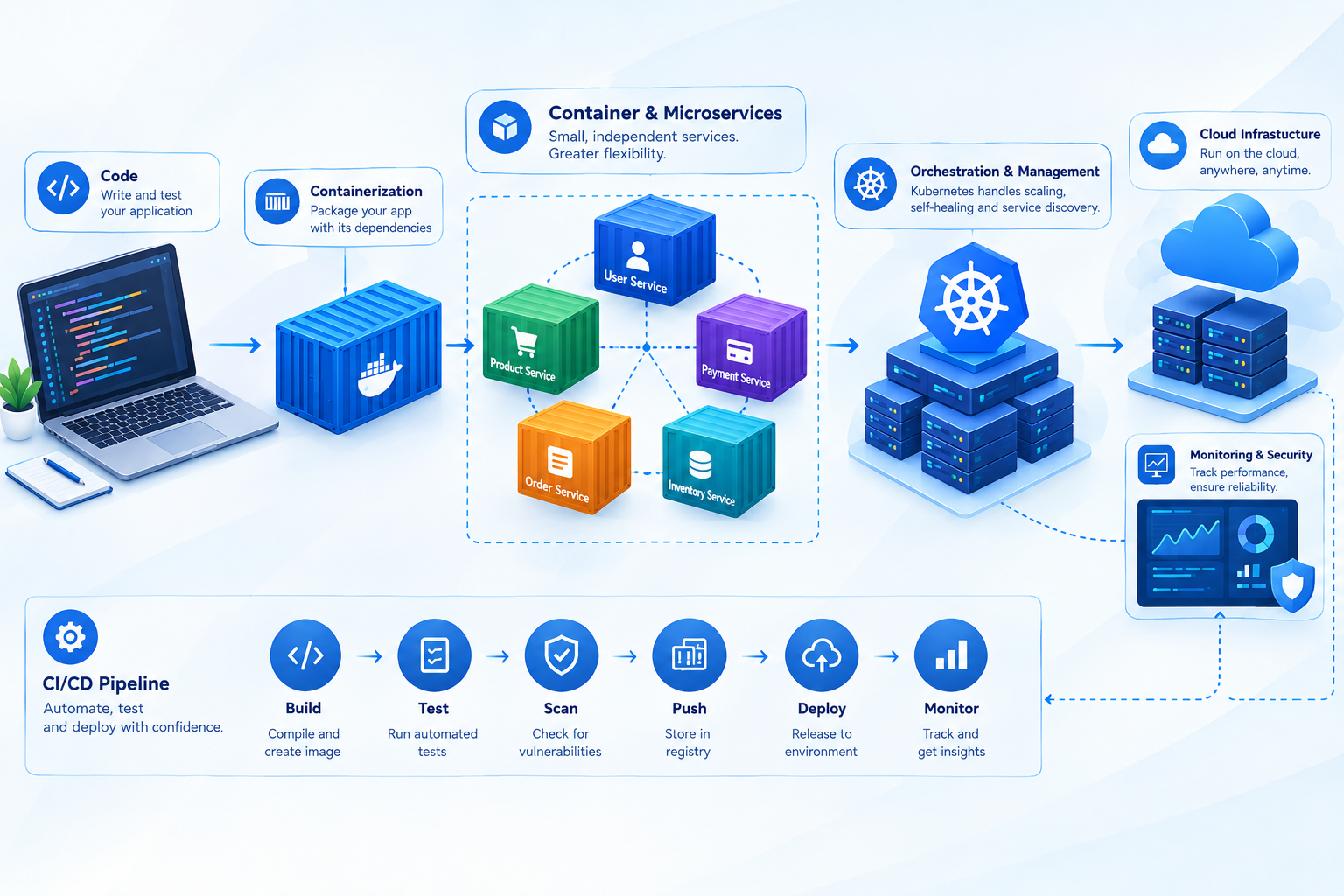
Container & Microservices: A Complete Guide to Application Deployment
Modern applications need to be reliable, flexible, and easy...
Read MoreOctober 13, 2026

What Is the Difference Between AR and VR Development Services?
Augmented Reality (AR) and Virtual Reality (VR) are transfor...
Read MoreSeptember 11, 2026
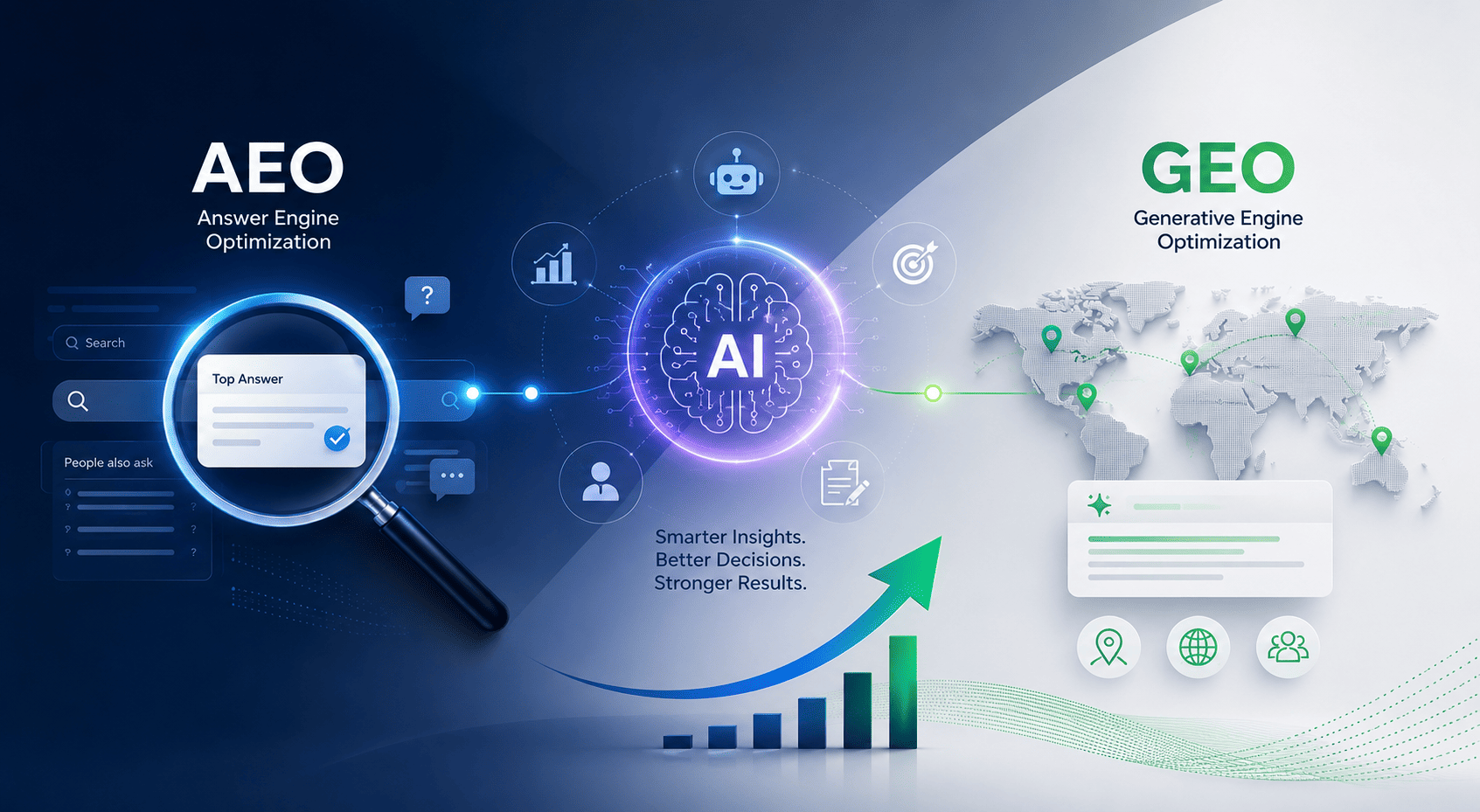
How AEO, GEO & AI Are Transforming Digital Marketing Services
Search is changing faster than ever. People no longer rely o...
Read MoreSeptember 02, 2026
Related Blogs
Container & Microservices: A Complete Guide to Application Deployment
Modern applications need to be reliable, flexible, and easy...
October 13, 2026
Read More.png)
Why Businesses Are Moving to Container & Microservices Architecture
As businesses scale their digital operations, traditional ap...
August 18, 2026
Read More